

Mastering the Art of Brushing: A Dentist's Guide
Welcome to our dental blog, where the spotlight is on the basics of dental hygiene. Brushing is the cornerstone of dental well-being, but it is still a difficult task for many people to get exactly right.
Why Brushing Matters
Regular and effective toothbrushing removes the sticky film on teeth called plaque. If not removed, plaque hardens into calculus (tartar), which cannot be removed by brushing alone and eventually causes gum disease and cavities. That is why professional Teeth Cleanings are so vital.
Proper brushing prevents this buildup, stops bad breath, and removes surface stains for a brighter smile.
Choosing Your Tools
1. The Brush: Soft vs. Hard
Always choose soft bristles. While medium or hard bristles might feel like they are cleaning better, they can actually wear down your tooth enamel and cause your gums to recede. A soft-bristled brush with a small-to-medium head is ideal for reaching those tricky back corners.
"Electric toothbrushes are a fantastic investment. They often have built-in timers and pressure sensors to ensure you aren't brushing too hard." – Dr. Gantayat
2. The Toothpaste
Look for the ADA Seal of Acceptance. Most patients benefit from fluoride, which remineralizes enamel and prevents cavities. However, for patients preferring a fluoride-free option, we recommend toothpaste containing nano-hydroxyapatite, a mineral that naturally restores enamel.
The Perfect Technique (Step-by-Step)
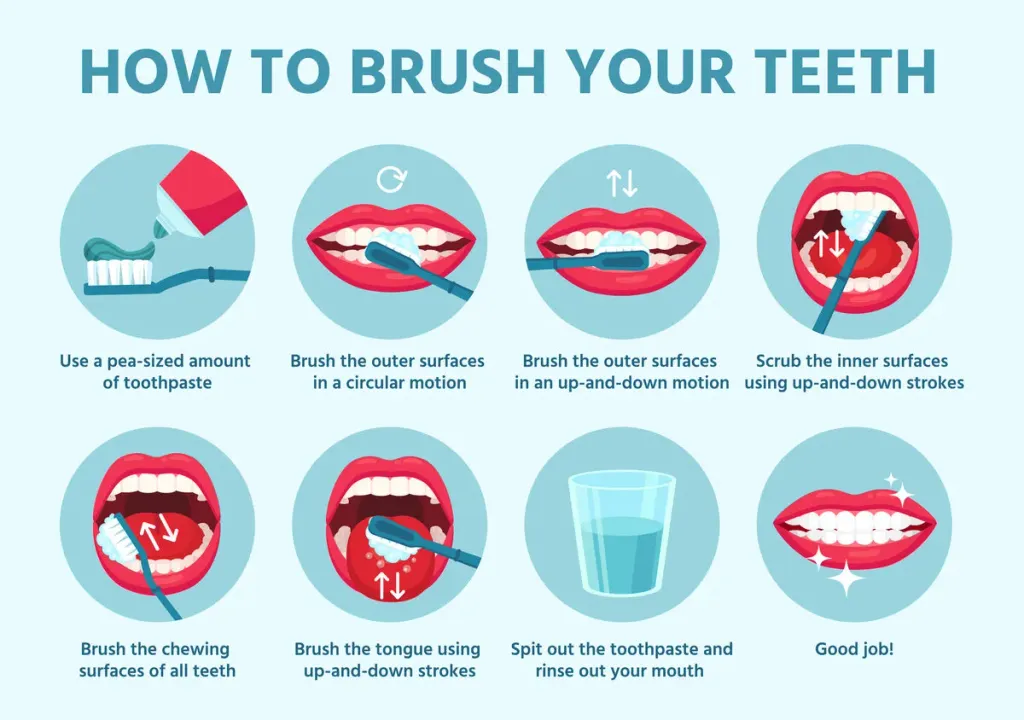
It's not just about doing it; it's about doing it right. Follow this routine twice a day for two minutes:
- The Angle: Hold your brush at a 45-degree angle to your gums. This is crucial for reaching plaque hidden under the gumline.
- The Motion: Use gentle, circular motions. Avoid back-and-forth sawing, which damages gums.
- The Inner Surface: To clean behind your front teeth, tilt the brush vertically and use up-and-down strokes.
- The Tongue: Don't forget to gently brush your tongue from back to front to remove bacteria and freshen breath.
Remember to replace your toothbrush every 3 to 4 months, or sooner if the bristles look frayed. A worn brush cannot clean effectively!
Related Topics:
Have Questions About Your Smile?
Our Temple team is happy to help — book online in under a minute, or give us a call.